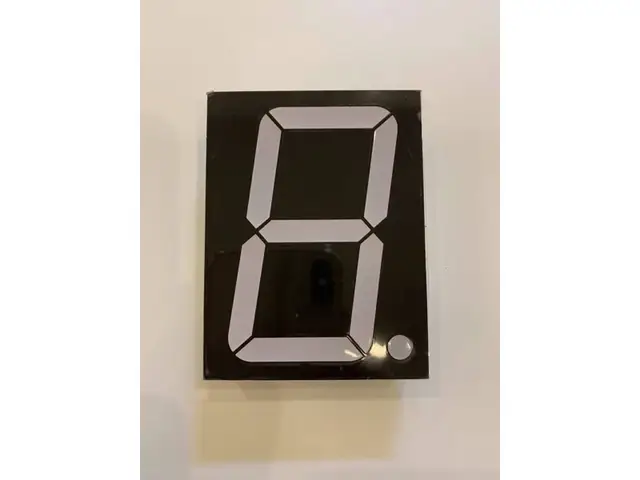
Manufacturing
When the part you need does not exist yet
Some of the most useful work starts when nothing off the shelf fits. A connector that is nearly right, a board that does too much, a housing in the wrong material. Those get designed and made.
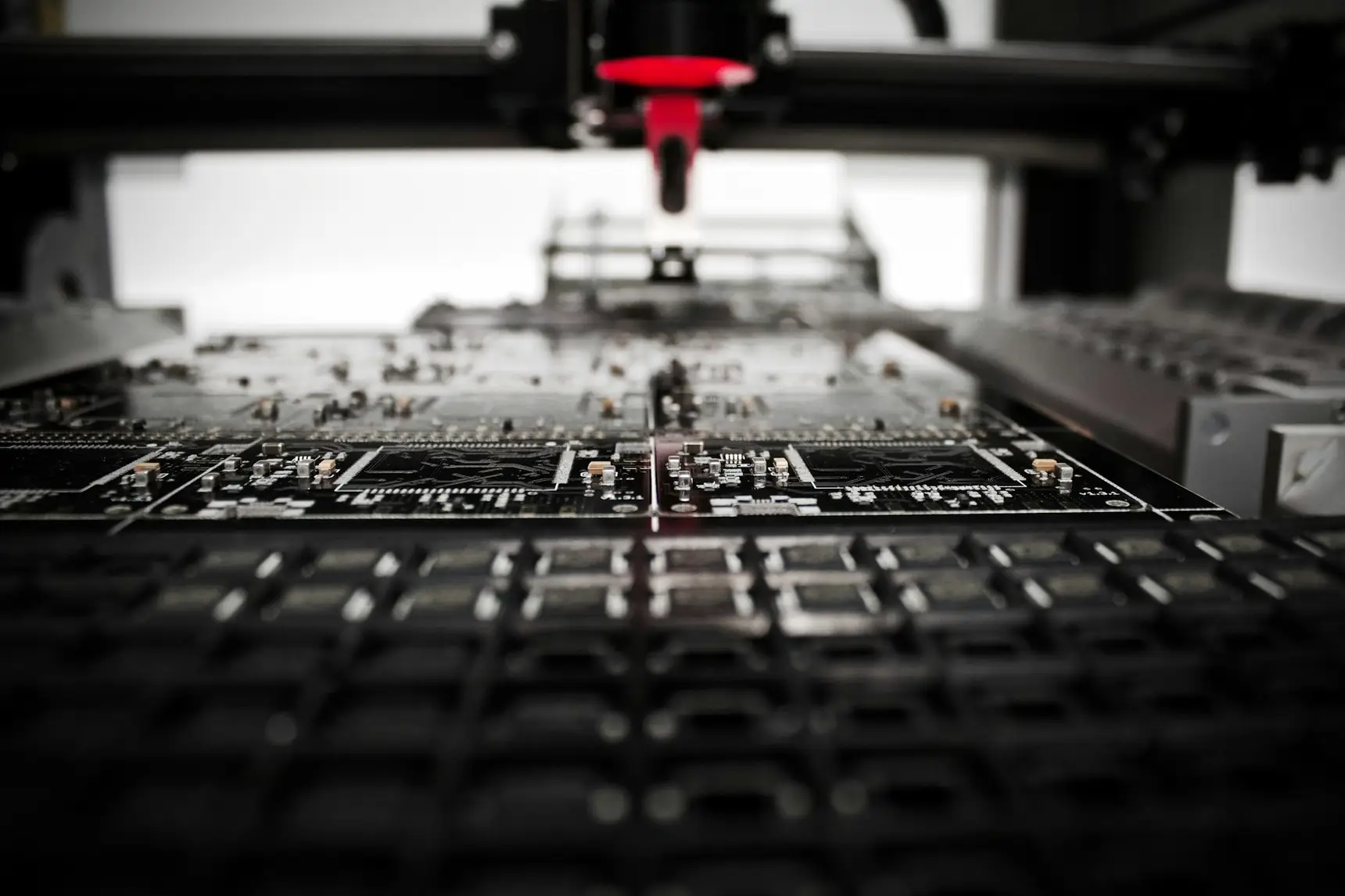
Design, then tooling, then production
We have designed PCBs, commissioned the factory to build them, and shipped the result to the customer who specified it. The same applies to connectors — including custom connectors made specifically for LED strips, where the standard part on the market did not do what the installation needed.
Moulds and plastic parts
Injection moulds are the point where a custom product becomes real, and where the money is committed. We have had moulds cut and parts produced from them: reflectors for trucks, housings, fittings. Tooling is a one-off cost and then the parts are cheap for as long as you keep ordering, which is the whole economics of it.
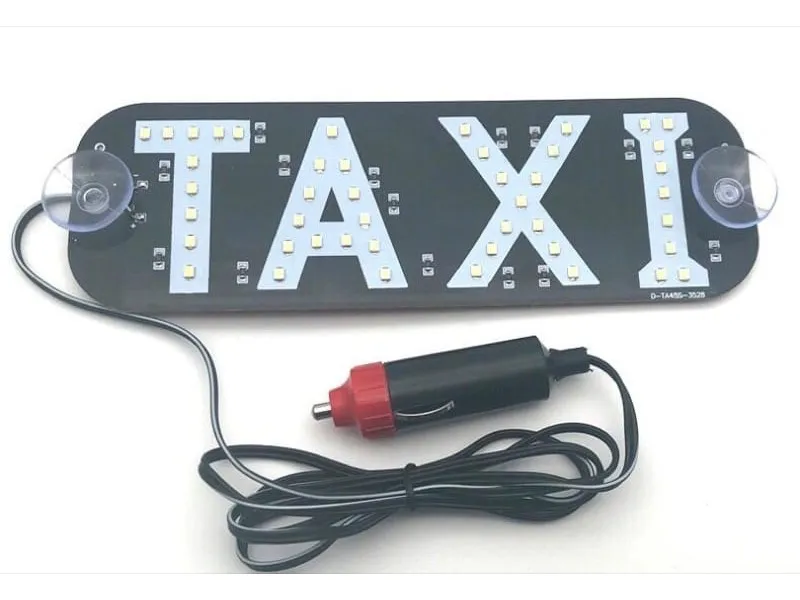
Metal parts and hardware
Hinges, brackets and fixings for displays and installations. Usually the awkward component that holds up an otherwise finished product.
Packaging
Custom boxes, printed tape, inserts. Worth doing properly: packaging is the first thing your customer sees and the last thing that gets thought about.
What a custom job needs
- To quote tooling
- A drawing, a sample, or a clear description with dimensions. A photograph of the thing you are trying to replace is often enough to begin.
- Tooling cost
- One-off, quoted before anything is cut, and yours once paid for.
- Prototypes
- Made and sent before production runs. A mould is not a thing to be optimistic about.
- Minimums
- Depend entirely on the part and the process — asked and answered before you commit.
Custom work is slower and worth it when the alternative is redesigning your product around a part that nearly fits.
Made to a specification